

Vietnam’s export of handicraft products reached approximately USD 3.5 billion in 2023. However, considering the industry’s potential and scale, this figure remains modest compared to competitors such as China or India. Therefore, the sector is striving to achieve USD 4 billion in export turnover by 2025.

On October 9, 2024, in Hung Yen Province, the Vietnam Association of Craft Villages, in coordination with the National Industry Promotion Program, organized a workshop titled “Consultation on Enhancing Export Marketing Capacity for Handicraft Products in Craft Villages.”
VIETNAM ACCOUNTS FOR ONLY 0.35% OF THE GLOBAL HANDICRAFT MARKET
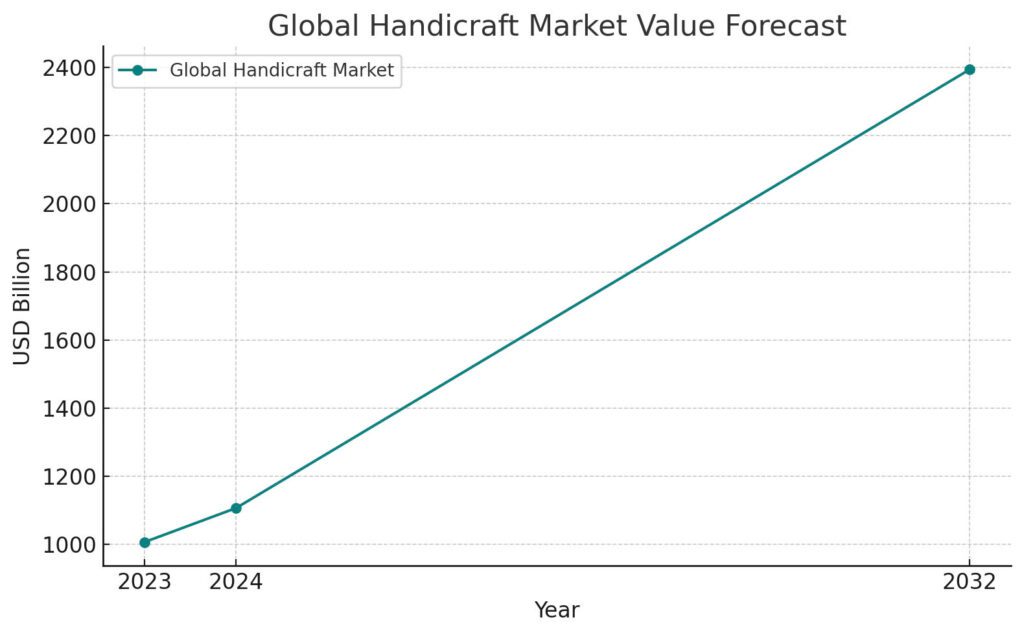
Vietnam is among the countries with strong potential in handicraft exports, thanks to its diverse craft sectors and abundant resources. With more than 5,400 craft and traditional villages, the total revenue generated by these villages amounts to about VND 75 trillion.
To date, Vietnamese handicraft products have been exported to 163 countries and territories. Export turnover has increased from USD 1.62 billion in 2015 to USD 2.23 billion in 2019. According to the Ministry of Industry and Trade, Vietnam’s handicraft exports reached USD 3.5 billion in 2023.

_
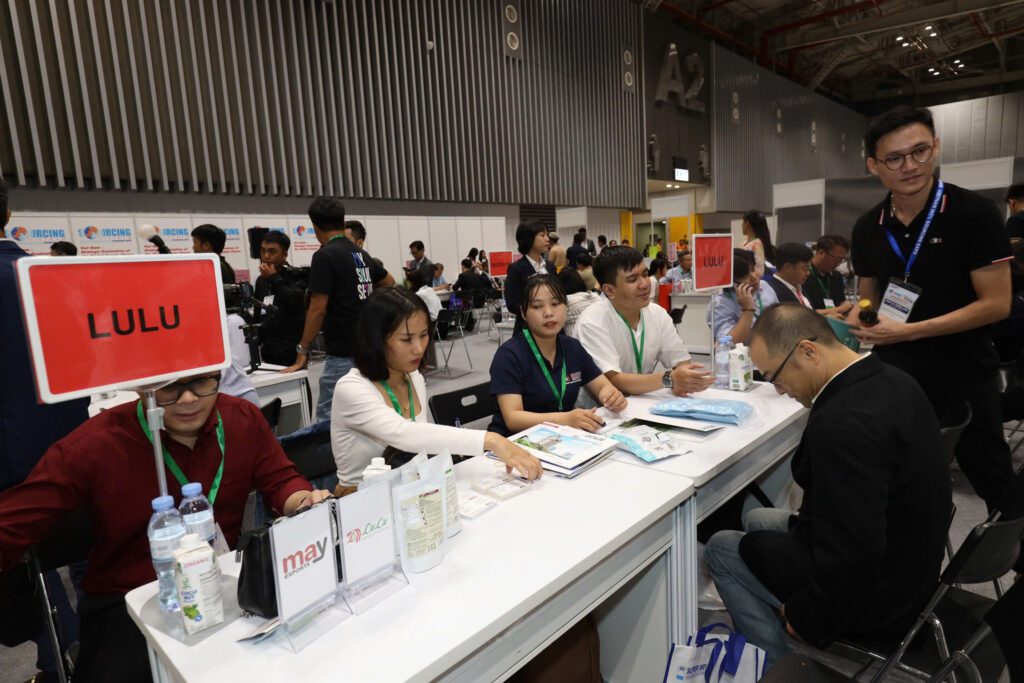
Key export markets include the United States, Japan, the European Union, and several Middle Eastern countries. Vietnam aims to raise this figure to USD 4 billion by 2025. However, given the potential and size of the industry, this target still falls short when compared to major competitors like China and India.
“Although handicraft exports may not match the value of other export sectors, statistics show that every USD 1 million in handicraft exports yields 5–10 times more profit than many other commodities. This highlights the high actual value of handicraft exports,” said Mr. Ton Gia Hoa.
He also noted that there are positive signals for the handicraft sector in Vietnam. In particular, e-commerce is expected to provide strong export support, as Vietnam ranks among the top 3 in Southeast Asia in terms of e-commerce market growth. The key differentiator of Vietnamese handicrafts lies in their sustainability across the entire value chain.
However, Mr. Hoa pointed out that most handicraft sectors originate from household-scale operations and gradually expand into village-based models. These craft brands tend to form spontaneously and lack a systematic development strategy.
Additionally, most products are still exported through processing or by fulfilling orders for large global retailers. There has yet to be a breakthrough in building Vietnamese handicraft brands on the global stage. Notable products such as Bat Trang ceramics, Phu Vinh bamboo and rattan, Van Phuc silk, and Quat Dong embroidery have gained recognition, but only a few possess strong competitive advantages in the international market.
Furthermore, the marketing capacity of handicraft export businesses remains limited. Online channels have not been fully leveraged, and product distribution heavily relies on intermediaries.

_
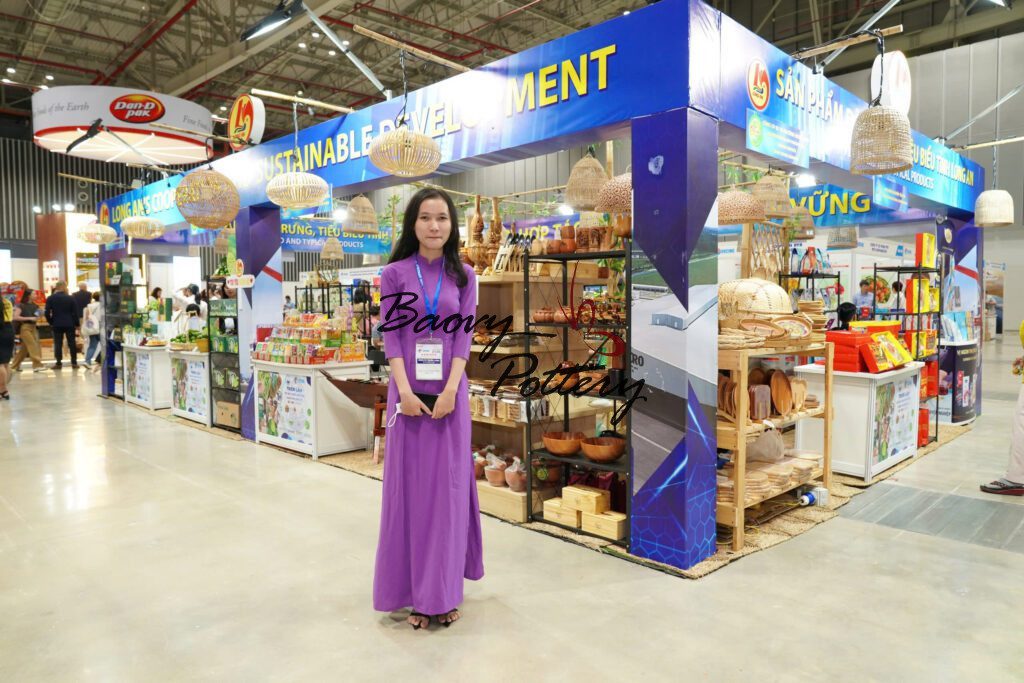
Mr. Tran Van Cuong, Deputy Director of the Department of Industry and Trade of Hung Yen Province, emphasized that handicrafts are one of the sectors with high potential for sustainable growth and export value, as well as high profit margins. Products such as ceramics, lacquerware, wooden items, bamboo and rattan, textiles, and embroidery are in high demand globally for interior decoration and gifting purposes.
He also highlighted several renowned craft villages in Hung Yen, such as Hue Lai silver carving village (Phu Ung, An Thi), Long Thuong bronze casting village (Chi Dao, Van Lam), Hoa Phong carpentry village (My Hao), and Thuy Lan carpentry village (Yen My). However, many of these villages face the risk of decline and struggle to develop new products amid growing market challenges.
Vietnam International Sourcing – A Key Opportunity to Enhance Capacity and Expand Export Markets for Vietnamese Handicrafts
To support businesses in expanding markets and increasing export value—especially as the handicraft sector targets USD 4 billion in exports by 2025—Vietnam International Sourcing, an annual international trade promotion event under the direction of the Ministry of Industry and Trade, plays an increasingly vital role in connecting craft villages and producers to global supply chains.
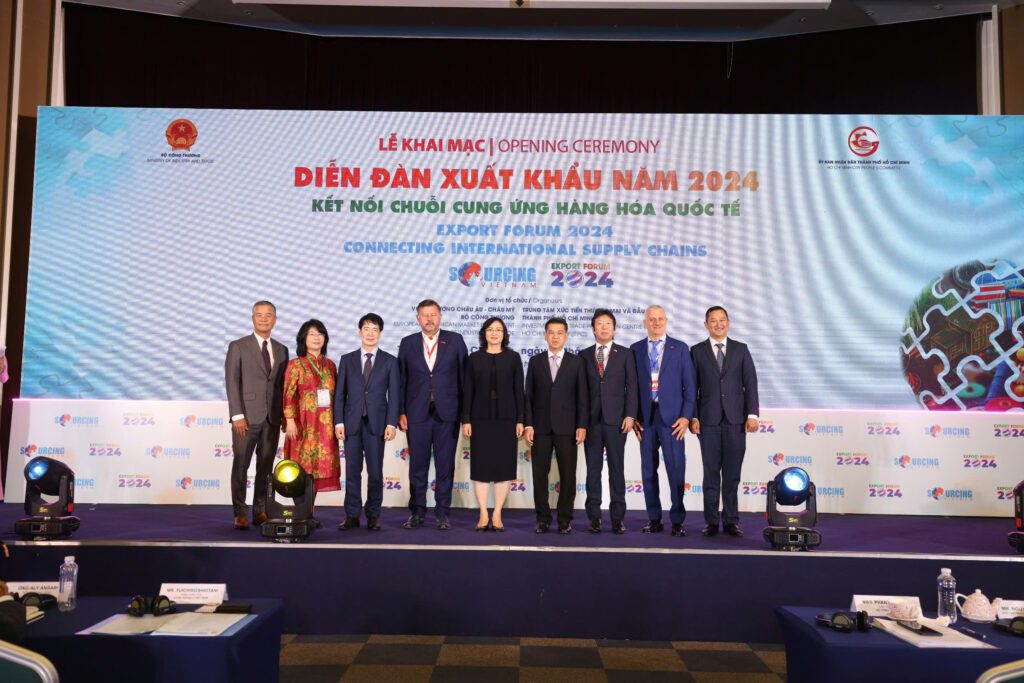
The event brings together hundreds of major international buyers from the U.S., EU, Japan, India, the Middle East and more, providing Vietnamese handicraft enterprises with valuable opportunities to showcase their products, access emerging consumer trends, and enhance marketing capacity and brand-building efforts.
Vietnam International Sourcing is not only a meeting point for suppliers and global buyers but also a platform to promote digital transformation, e-commerce adoption, and technology integration in design and production—factors that are becoming essential in the sustainable development strategy of Vietnam’s handicraft industry.